Coffee on Clothes: First Steps for an Ordinary Washable Garment
Begin by checking the garment label and whether it can be washed. A careful first response is more useful than adding several household products at once.
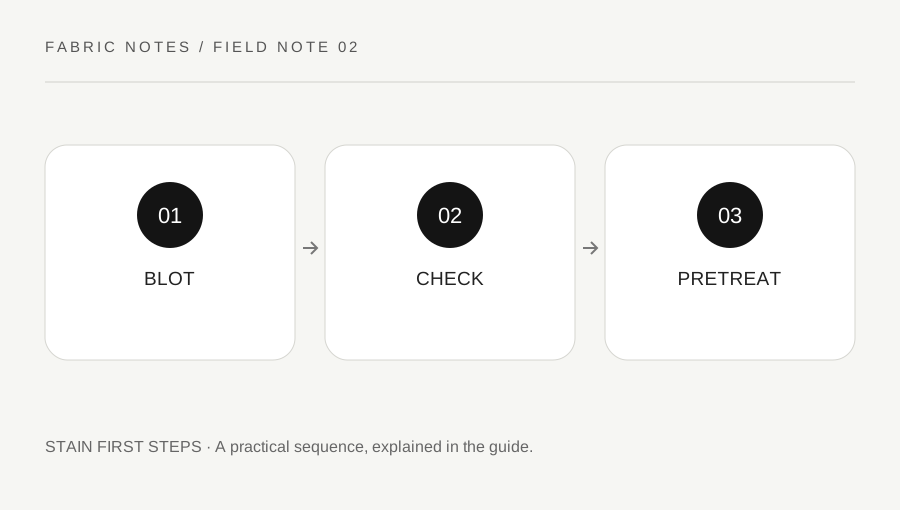
Original explanatory diagram. Numerical examples in this guide illustrate the reasoning; they are not a claim of hands-on testing.
Identify the garment and the spill
Check whether the item is washable and whether the stain includes milk, cream or another ingredient. Blot excess liquid gently with a clean absorbent cloth rather than grinding it into the fabric. Avoid spreading the stain over a wider area.
For delicate, valuable or professional-clean-only garments, stop home treatment and seek an appropriate cleaner’s advice. Point out the spill and tell the cleaner what, if anything, you already used. The first-step finder on this site is for ordinary washable clothing, not upholstery, carpet, leather or every specialty textile.
Use a compatible single treatment
The American Cleaning Institute’s coffee guidance includes cool-water treatment and a suitable pretreatment product. Check the garment and product labels before proceeding and test colorfastness in a discreet area. Use one compatible product according to its directions.
Never combine stain removers with bleach, ammonia, acids or other household cleaners. Stronger is not automatically more effective, and improvised mixtures can damage fabric or create hazardous fumes. A controlled treatment also leaves a clearer record if you later need professional help.
Inspect before adding dryer heat
Wash using a process allowed by the garment label and the treatment directions. Inspect the affected area before machine drying; heat can make a remaining stain harder to deal with. If you are uncertain whether discoloration remains, follow suitable air-drying guidance and inspect again.
For example, a washable cotton shirt with a fresh black-coffee splash can be handled differently from a silk blouse with a milk-based coffee spill. Record the fabric, label restriction, product and result rather than applying one “coffee stain hack” to both. If the mark persists, consult the detailed stain reference instead of layering unrelated products.
Keep a stain-treatment record from the start
Before treatment, note the garment fabric, care restriction and spill ingredients. A black coffee splash and a drink containing milk or flavored syrup may not be the same stain problem. Record when the spill happened and whether it has already been dried or washed.
Choose a discreet place to check colorfastness using the product directions. Use a clean absorbent material so you do not transfer another color or substance into the garment. Follow the allowed treatment time rather than leaving a product on indefinitely because the stain looks stubborn. If the fabric color or surface changes, stop and reassess instead of intensifying treatment.
After washing, inspect in good light before drying. If a trace remains, keep the history with the item when consulting a fuller stain reference or a professional cleaner. “Coffee with milk; one labeled pretreatment; washed once; no tumble drying” is a clear account. It is much more useful than trying several mixtures and forgetting the order. The record also helps you distinguish remaining stain from damage caused by inappropriate treatment.
A practical checklist
Tick items for your own use. This checklist is saved only in this browser.
Questions that come up
Should I put a stained item straight in a hot dryer?
Inspect and address remaining discoloration first. Follow the garment label; dryer heat can complicate later stain removal.
Does a longer pretreatment always work better?
No. Follow the product’s contact-time directions and the garment restrictions. Leaving a product indefinitely can damage some materials.
What if the stain remains after one wash?
Inspect before heat and consult the stain-specific reference. Do not layer unrelated products or repeat aggressive rubbing without checking compatibility.
References & scope
Background references checked on 18 October 2026. The examples and practice exercises are original editorial explanations, not copied procedures or professional advice.