Wash Knitwear by the Label and Support Its Shape
A knitted construction and a fiber name do not tell the whole care story. Start with the actual garment instructions, then reduce unnecessary handling.
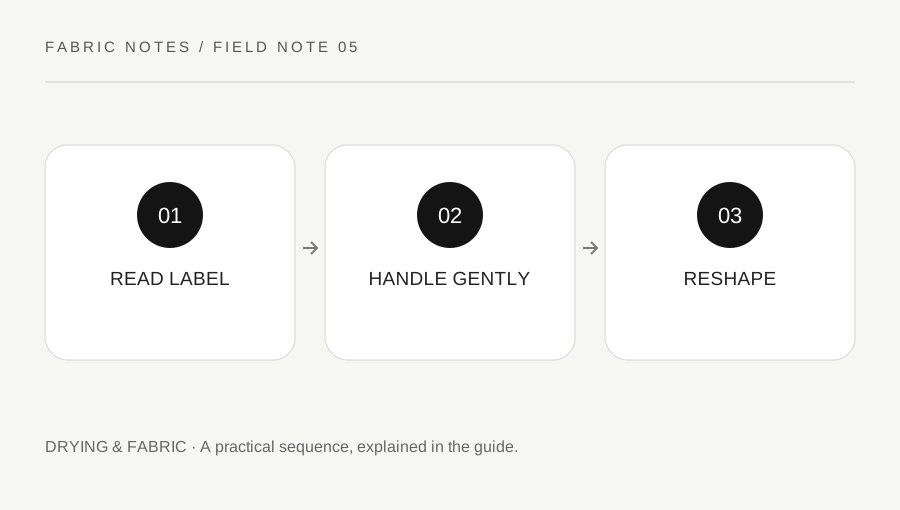
Original explanatory diagram. Numerical examples in this guide illustrate the reasoning; they are not a claim of hands-on testing.
Check fiber, construction and restrictions
Read the full care label, including drying instructions, before wetting the garment. A wool blend, a washable wool item and an embellished knit may require different processes. Do not assume all sweaters are hand-washable or that a wool cycle overrides a professional-clean-only instruction.
Inspect seams, trims and existing shape. Photograph the garment laid flat if that will help you restore its proportions. Measure its width and length as an observation, not a guarantee that a changed garment can always be restored later.
Use the permitted method
If machine washing is allowed, select the garment-appropriate cycle and a compatible detergent according to both labels. If hand washing is permitted, use the specified conditions and avoid unnecessary rubbing, stretching or wringing. Support the item while moving it when wet.
Keep the temperature and handling within the care instructions rather than improvising a “shrinking fix.” If you are unsure about a valuable or unfamiliar piece, seek an appropriate cleaner’s advice before experimenting. A cautious decision before washing is easier than reversing damage afterward.
Dry with the shape supported
When flat drying is required, lay the garment on an appropriate clean surface and reshape gently without pulling it beyond its intended proportions. Make sure air can circulate and reposition as appropriate for the fabric and setup. Avoid a hanger that concentrates the wet weight at the shoulders.
For an example care note, record “label allows gentle wash, dry flat; length 58 cm before wash; supported while wet; checked cuffs before storage.” That note helps you repeat the process for the same item. It should not become a rule applied to every sweater in the wardrobe.
Make a garment-specific care card
For a sweater you wear regularly, keep a short care card with its fiber information, washing restrictions and drying position. Add a photograph laid flat and a few reference measurements if useful. The card belongs to that garment; do not apply it automatically to another knit with a similar appearance.
Before the next wash, compare the garment with the card and inspect any trims or repairs. A newly loose seam may need attention before washing. Read the detergent directions and use only a process permitted by the label. Keep wet handling gentle and support the item when transferring it.
During drying, reshape without stretching and make sure thick edges dry fully. Once dry, compare the shape with your reference rather than pulling the garment toward a number while it is wet. If the item has changed significantly, seek appropriate textile advice before trying an internet restoration trick. A useful care record helps you repeat a successful routine and recognize when the situation has changed; it does not promise that every shrinkage or shape change is reversible.
A practical checklist
Tick items for your own use. This checklist is saved only in this browser.
Questions that come up
Does a wool cycle make every wool garment washable?
No. The garment label still controls. Construction, treatment and trims can change the required care.
Should every knit be hung to dry?
No. Some need flat support, and wet weight can distort a garment on a hanger. Follow the actual drying instruction.
Can I restore any shrunken sweater with a home mixture?
Do not assume damage is reversible. Fiber, construction and the cause of change matter. Seek suitable textile advice for a valuable item.
References & scope
Background references checked on 18 October 2026. The examples and practice exercises are original editorial explanations, not copied procedures or professional advice.