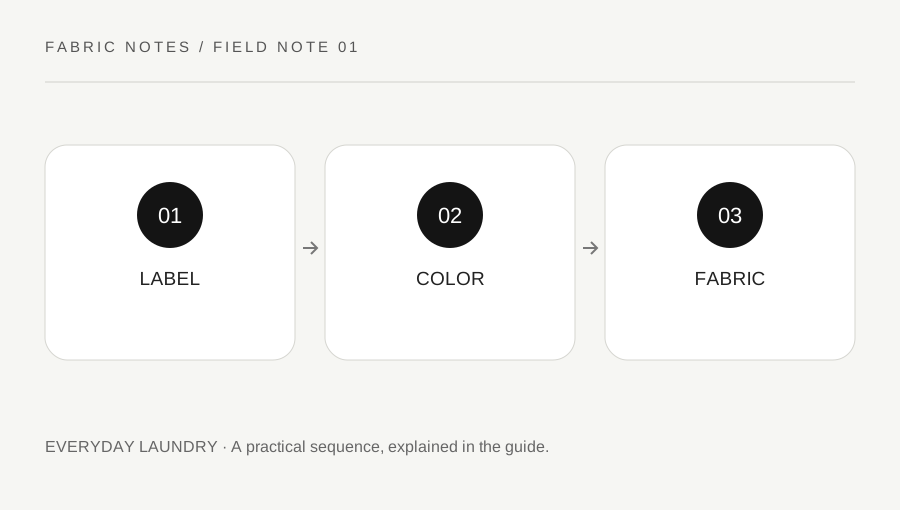
How to Sort Laundry by Care Instructions, Color and Fabric
An effective load is a group of garments that can tolerate the same treatment. Color matters, but it is only one part of the decision.
Read the complete guide ↗Detailed laundry routines, stain first steps, garment-label checks and drying decisions for everyday clothing.
Explore the detailed guides ↗Clear explanations · Worked examples · Practical tools
Editorial photograph: Annie Spratt / Unsplash. Illustrative scene; not a photograph of our own testing.
20 complete guides.
20 complete guides in this journal.
An effective load is a group of garments that can tolerate the same treatment. Color matters, but it is only one part of the decision.
Read the complete guide ↗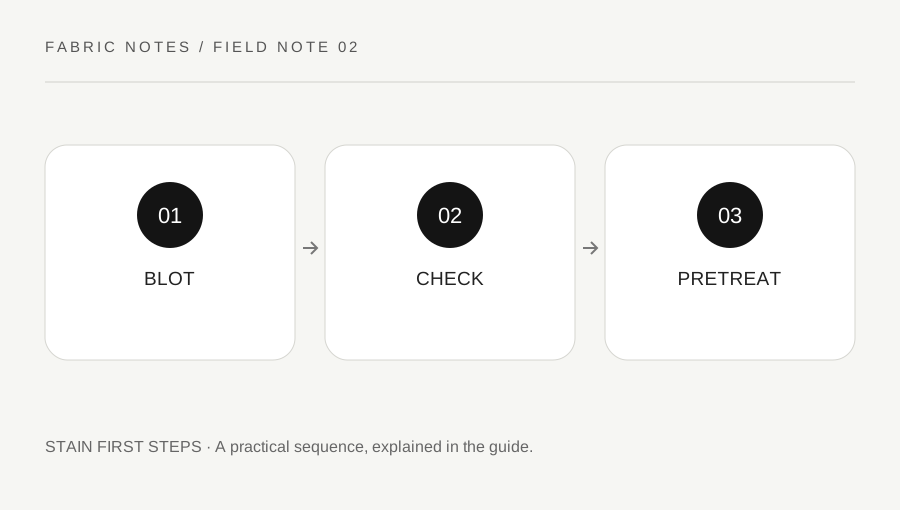
Begin by checking the garment label and whether it can be washed. A careful first response is more useful than adding several household products at once.
Read the complete guide ↗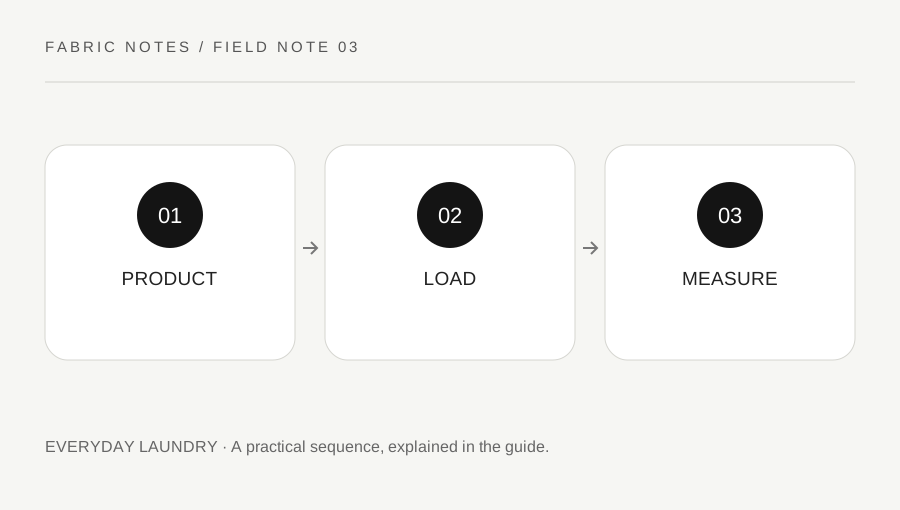
Detergent dose depends on the product and wash conditions. A capful is not a universal measurement across brands, concentrations or machines.
Read the complete guide ↗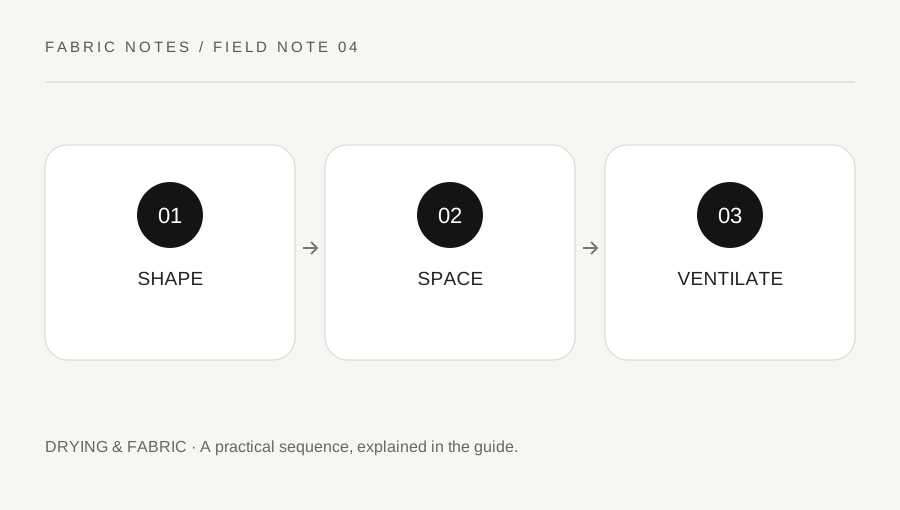
Successful drying needs an appropriate garment position, enough spacing and a place where moisture can leave the room.
Read the complete guide ↗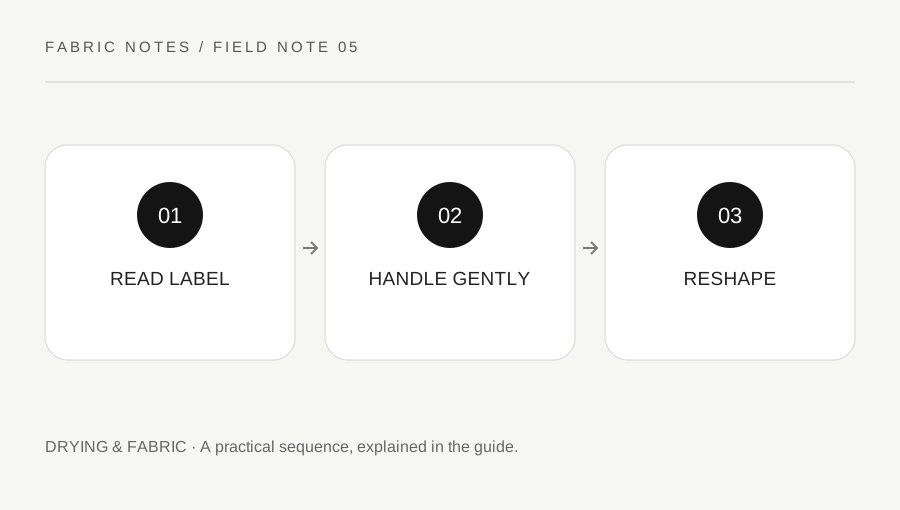
A knitted construction and a fiber name do not tell the whole care story. Start with the actual garment instructions, then reduce unnecessary handling.
Read the complete guide ↗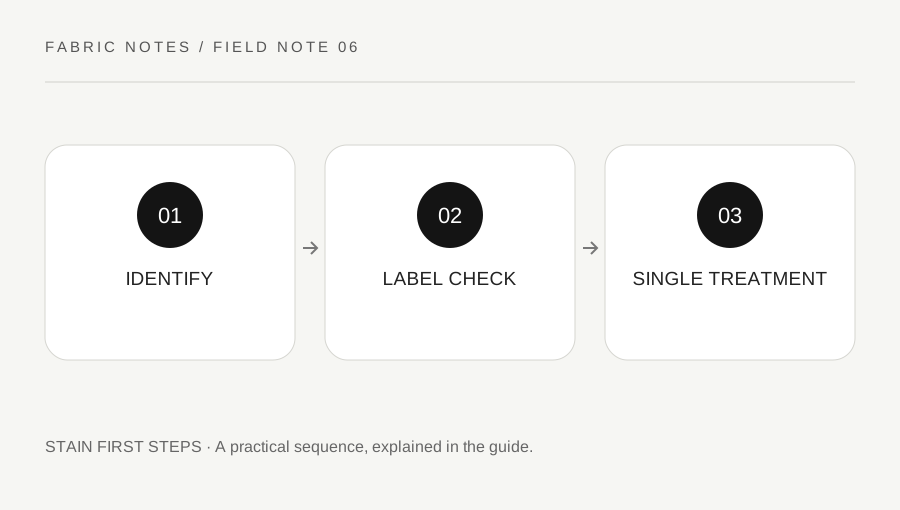
Two marks that look equally dark can need different handling. Identify the material and check washability before using a treatment.
Read the complete guide ↗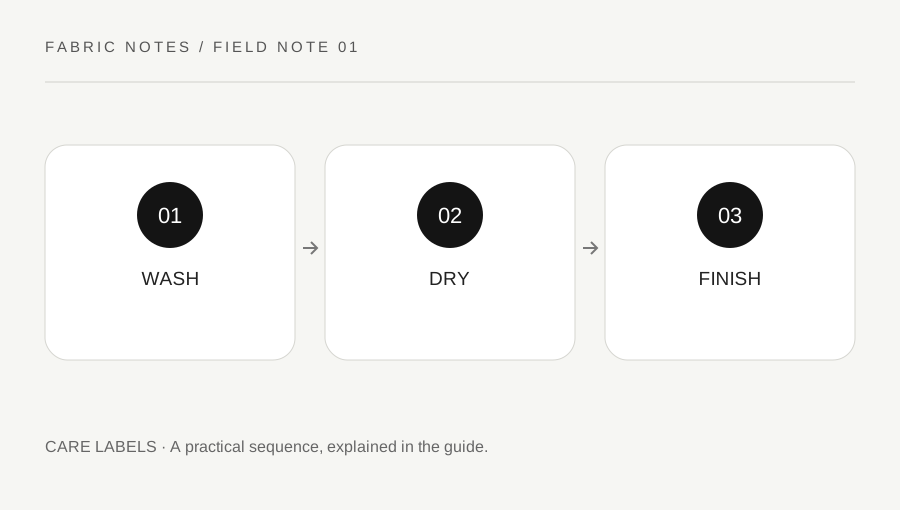
A fiber name does not describe every part of a garment. Read washing, drying and finishing instructions together so a successful wash is not followed by an unsuitable drying or ironing step.
Read the complete guide ↗
A hidden-area test can reveal an obvious incompatibility, but it is not a guarantee for every part of a garment. Read both labels and keep the test small, controlled and within instructions.
Read the complete guide ↗
A few preparation checks can prevent a garment from tangling or catching other items. Follow the article’s instructions and inspect the actual fasteners instead of applying one rule to every closure.
Read the complete guide ↗
A towel routine needs more than a temperature guess. Read the actual labels, allow the machine to work within capacity and make sure the permitted drying method finishes before storage.
Read the complete guide ↗
Large bedding can hide smaller items and remain damp inside folds. Prepare the articles, use the machine’s supported load and review the full drying result before making the bed.
Read the complete guide ↗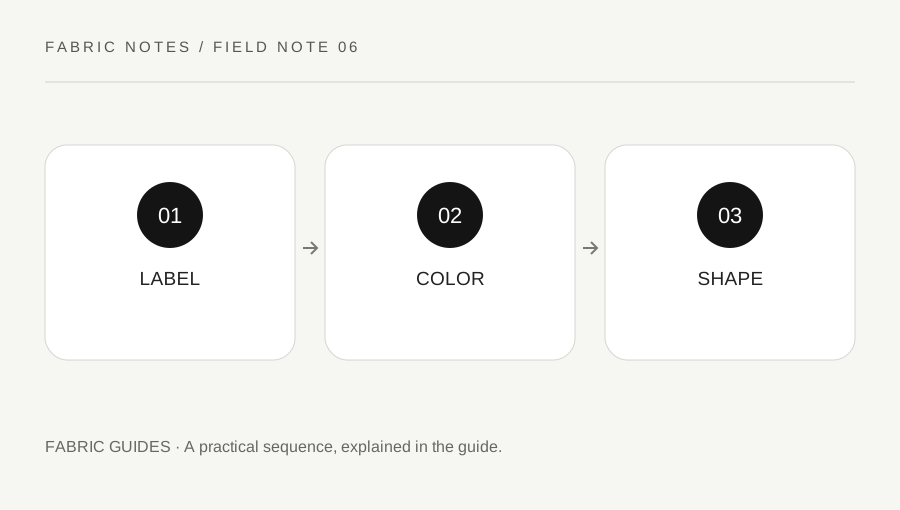
Jeans share a familiar appearance but can differ in dye, stretch and finishing. Use the article’s instructions and a clear wash decision rather than a rule that every pair needs identical treatment.
Read the complete guide ↗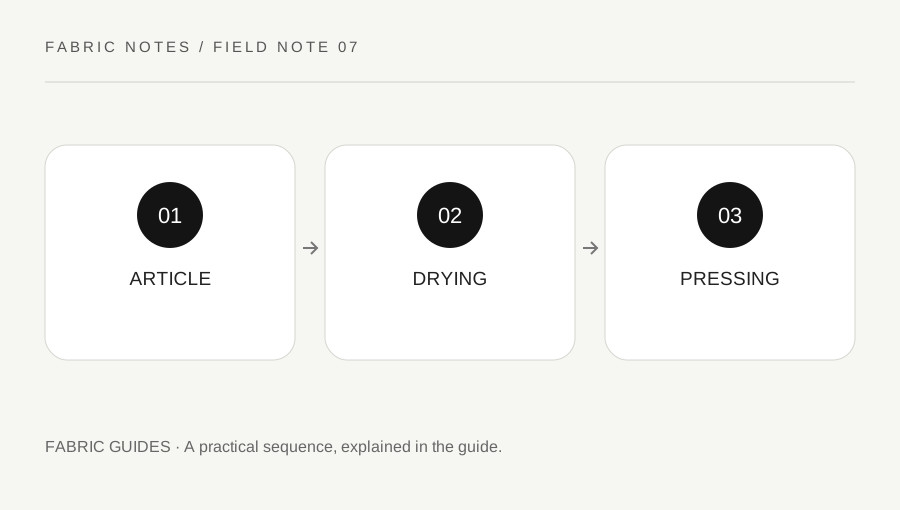
Linen care still begins with the finished article’s label. Check lining, trims and any blend, then plan washing, drying and pressing as one supported routine.
Read the complete guide ↗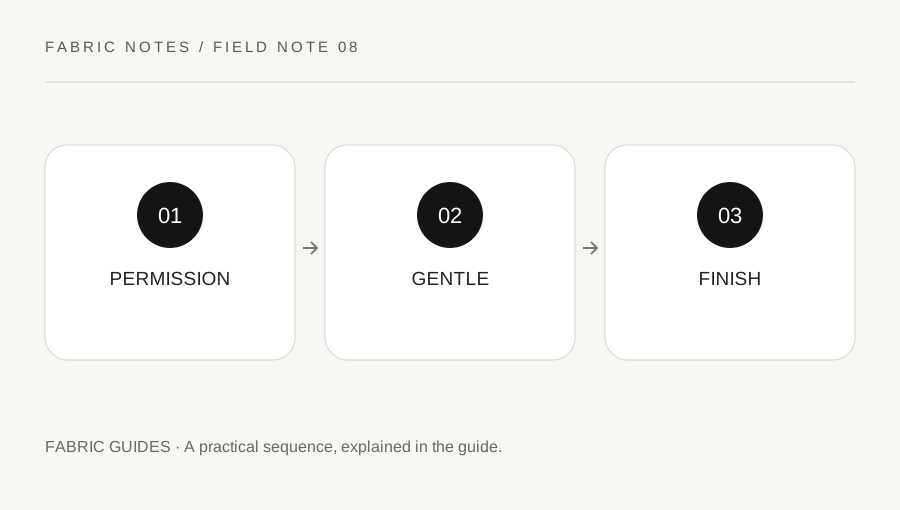
The word silk does not authorize a home wash. Check the complete garment, dye and construction instructions, then use a suitable gentle process only when the actual article allows it.
Read the complete guide ↗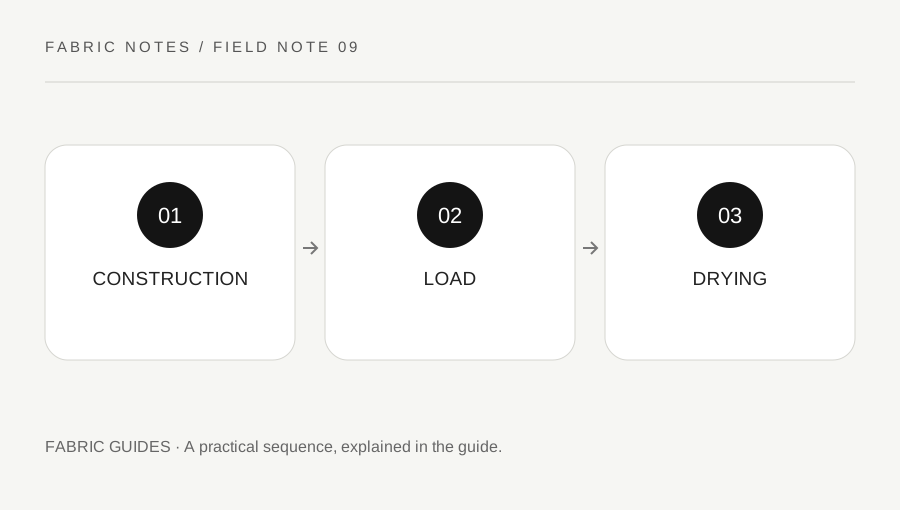
Fleece care depends on the garment’s construction and label. Prepare the load, use a compatible product and follow the permitted drying route instead of assuming every soft synthetic needs identical treatment.
Read the complete guide ↗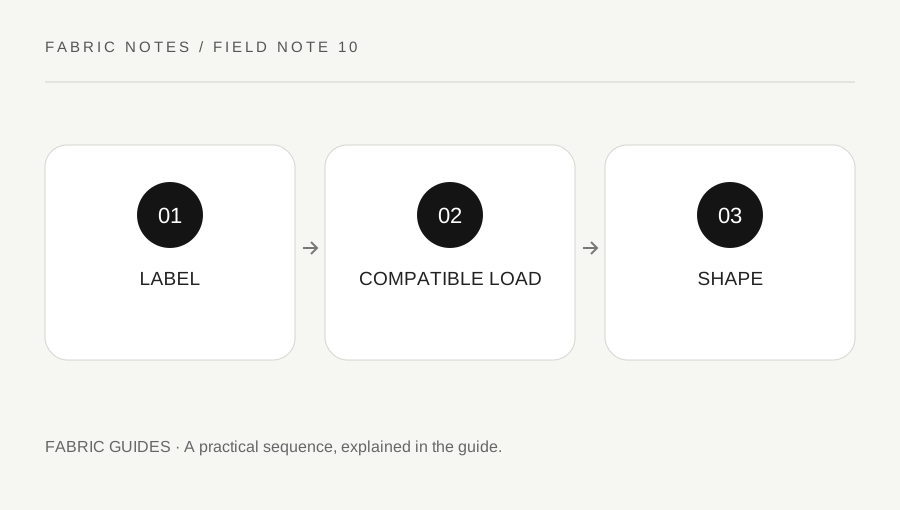
Stretch garments can combine elastic fibers, technical finishes and delicate details. Keep care specific to the article and separate ordinary cleaning from promises to restore every performance feature.
Read the complete guide ↗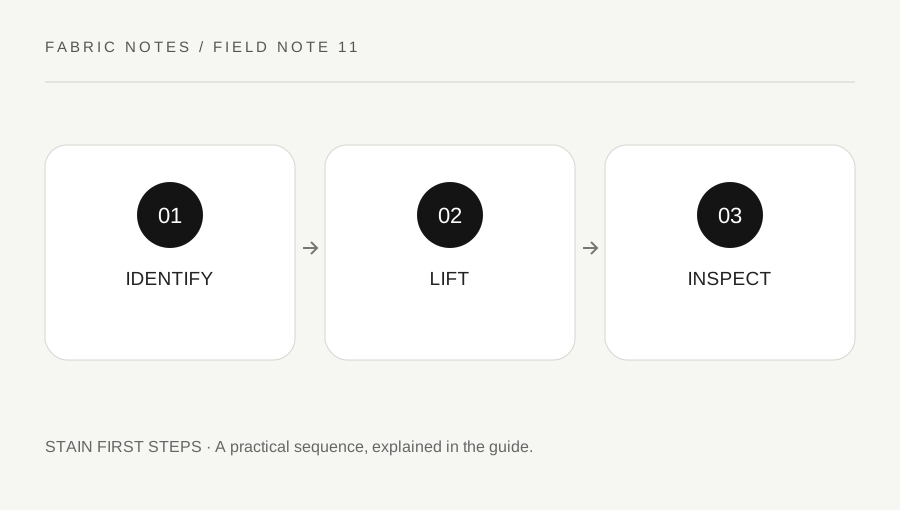
Powder, foundation and lipstick do not behave identically. Identify the product and garment, remove loose excess carefully and use only a compatible labelled treatment.
Read the complete guide ↗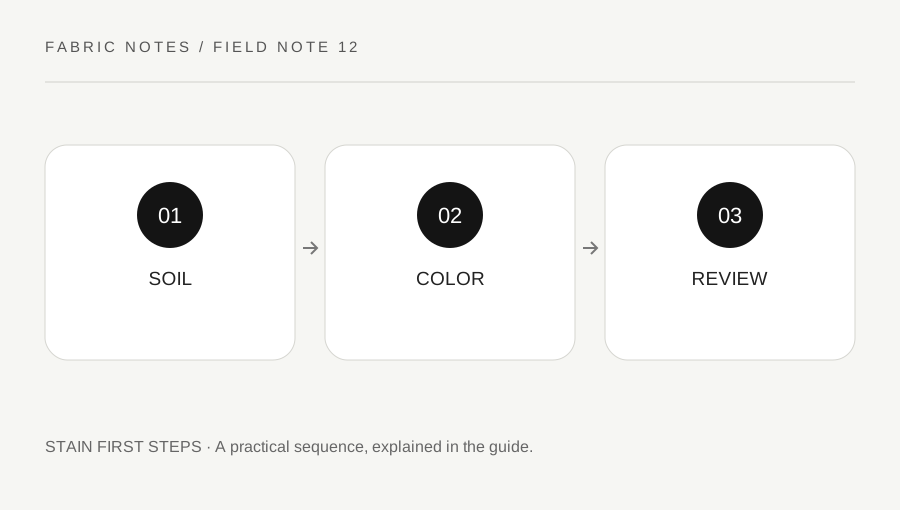
A grass mark may include both soil and plant color. Remove loose material appropriately, check the fabric and use a compatible pretreatment without assuming every garment can tolerate the same chemistry.
Read the complete guide ↗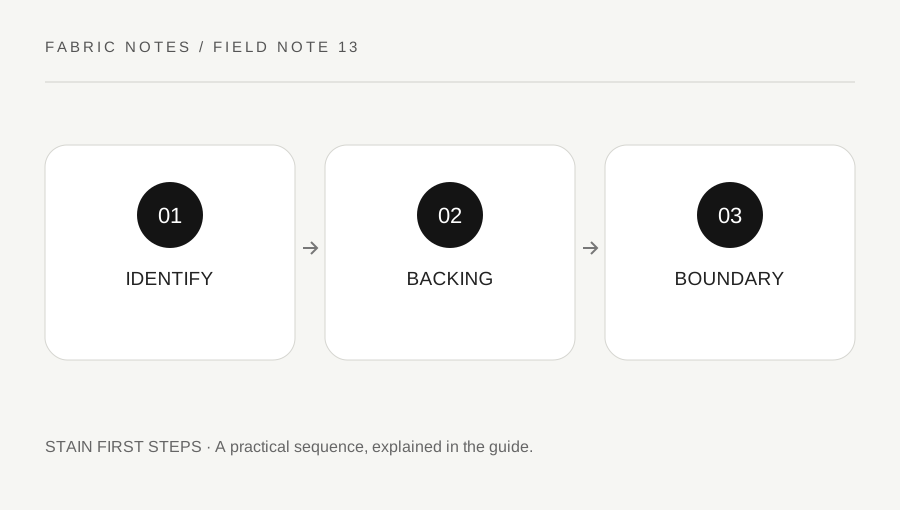
Water-based ink, ballpoint ink and permanent markers can need different treatment. Check the garment and product guidance before wetting a large area or applying an improvised solvent.
Read the complete guide ↗
An unexpected color cast needs a different decision from an ordinary dirt mark. Separate the likely source, keep the affected articles out of heat finishing and choose a treatment compatible with each item.
Read the complete guide ↗Read the explanation, inspect the example and use the checklist at your own pace. Our guides make assumptions visible and explain when a general suggestion may not fit. How this journal is made ↗