How to Sort Laundry by Care Instructions, Color and Fabric
An effective load is a group of garments that can tolerate the same treatment. Color matters, but it is only one part of the decision.
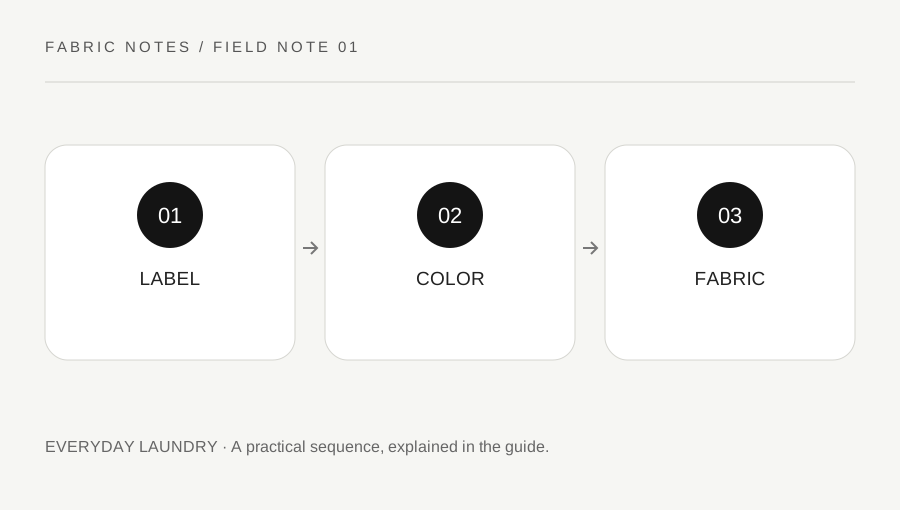
Original explanatory diagram. Numerical examples in this guide illustrate the reasoning; they are not a claim of hands-on testing.
Read labels before making piles
Check washing, drying and ironing instructions on each unfamiliar garment. A care label can restrict the process even when the fabric name looks familiar. A cotton shirt with a delicate trim may need different treatment from a plain cotton towel. Keep items marked for professional cleaning out of an ordinary machine-wash load.
Empty pockets, close fasteners where appropriate and inspect for stains or damage. Set aside anything with a loose decoration or open seam before washing makes it harder to handle. Read the detergent and appliance instructions as well as the garment label: all three guide the process.
Separate incompatible items
Group light and dark colors sensibly, especially when an item is new or may release dye. Separate heavy, rough or lint-producing items from delicate fabrics and items that readily collect lint. Similar color alone does not make a towel and a delicate blouse suitable load partners.
Then compare permissible water temperatures and cycle requirements. If two garments need incompatible processes, keep them apart. Do not assume that selecting the gentlest setting makes every mixed load suitable; weight, abrasion, dye transfer and drying needs still differ.
Build a load you can finish
Plan the drying step before starting the washer. A load of items that must dry flat needs enough suitable surface area, while line-dried items need spacing and ventilation. Overloading the washer or the drying rack can undermine an otherwise careful sorting routine.
A practical example is a basket containing dark jeans, a fine knit, white towels and a dry-clean-only jacket. That is not one “cold wash” load. Set aside the jacket, follow the knit label separately, and create compatible groups for the jeans and towels. The goal is an appropriate process for each item, not the smallest possible number of piles.
Turn a mixed basket into a workable sequence
Lay out a small mixed basket and inspect unfamiliar labels first. Set aside professional-clean-only items, then identify anything needing separate hand washing or flat drying. Among the remaining machine-washable items, compare color, weight, lint behavior and the permitted cycle. This order prevents a color pile from hiding a care restriction.
Next check whether you can finish each group. If the flat-dry surface is occupied, starting every knit at once may leave wet clothing without appropriate support. If your drying rack is small, a manageable load that can dry with space is better than a large load crowded into the same area.
Write a simple sequence such as “towels first, dark everyday items second, knit separately when the flat-dry area is free.” The exact sequence depends on the labels and your equipment. Do not treat it as a rule that all households need three standard loads. An effective sorting routine groups compatible garments and fits the complete wash-to-storage process, including the time and space you actually have.
A practical checklist
Tick items for your own use. This checklist is saved only in this browser.
Questions that come up
Is cold water safe for every garment?
No single water temperature makes every garment machine washable. The care label and construction still control the decision.
Should new dark items go in with pale clothing?
Consider possible dye release and follow the care instructions. A similar wash temperature does not remove the risk of color transfer.
Can I mix rough towels with delicate garments?
Assess abrasion and lint as well as color. A compatible temperature alone does not make those items suitable load partners.
References & scope
Background references checked on 18 October 2026. The examples and practice exercises are original editorial explanations, not copied procedures or professional advice.