Grass Stains on Washable Clothes: Separate Loose Soil from the Colored Mark
A grass mark may include both soil and plant color. Remove loose material appropriately, check the fabric and use a compatible pretreatment without assuming every garment can tolerate the same chemistry.
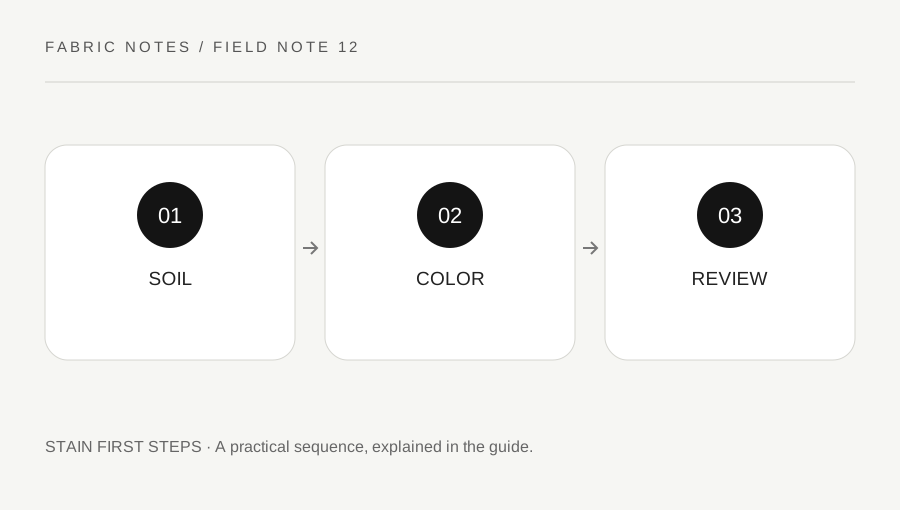
Original explanatory diagram. Examples illustrate a method or decision; they are not claims of personal testing.
Identify the article and the mixed stain
Read the complete care label and inspect the mark. Notice whether there is loose mud, dried soil, plant matter or a green colored area. These components should not be treated as one reason to scrub hard. Keep the garment away from clean items until transfer is controlled and avoid rubbing debris farther into the surface.
An ordinary washable cotton garment and a delicate wool or silk item can have very different restrictions. Read product exclusions and seek appropriate professional advice where the textile or finish is uncertain. Do not select a stain product solely because its front label shows grass. The back-label suitability and the garment instructions matter as much as the stain category.
Use a compatible first treatment
Remove loose material through an appropriate gentle method and follow a supported pretreatment route for the identified washable fabric. ACI describes enzyme-containing pretreatment as one grass-stain approach, but not every fiber or product combination is suitable. Read the actual exclusions, test as directed and follow the instructed amount and contact time.
Do not extend a soak indefinitely or add another chemical because the green color remains visible early in the process. Keep the treatment within the label and protect the surface underneath. A modest clear method is easier to assess than several overlapping products. Avoid a heat-drying or ironing step before the stain has been reviewed.
Wash and inspect deliberately
Launder through the garment's permitted process using the detergent directions. Check the result in useful light before finishing. A wet fabric can hide or alter the appearance of a residual mark, so assess at the appropriate stage under the treatment guidance. Do not assume that any remaining green patch means the product needs a stronger concentration.
If another step is considered, read both labels again and keep the earlier treatment in mind. Some items should be handed to a suitable cleaner rather than repeatedly tested at home. No general article can promise complete removal from every old stain or dye. The goal is a proportionate permitted process with a clear stopping point.
Work through a sports-trouser example
Imagine a washable pair of trousers has soil and a green knee mark. The owner checks the label, deals gently with loose debris and uses a compatible labelled pretreatment after the instructed hidden test. They wash under the care limits and inspect before a dryer or iron is used.
They keep a note if the mark is old or has already been heat dried because that changes the history. They do not claim a guaranteed result or use the same route on an excluded delicate article. This example demonstrates a careful sequence, not a measured product test or an endorsement of a particular stain remover.
Keep a recurring-stain routine manageable
If the same activity regularly marks clothing, choose an appropriate care plan for the garments actually used and keep the relevant labels available. Separate heavily soiled items so another person does not add them to an incompatible routine load. Do not use a strong preventative coating or an unlabelled chemical treatment to avoid future washing. A clear first-step card can identify the stain, textile and heat-review checkpoint without turning every ordinary grass mark into a complicated experiment.
A practical checklist
Choices are saved in this browser. Reset them here or clear this site’s browser storage.
Questions that come up
Can every grass stain use an enzyme product?
No. Check the garment and actual product exclusions, especially for delicate fibers and finishes.
Should I scrub the knee mark hard?
Use a suitable gentle removal and pretreatment method rather than forcing debris and color through the fabric.
Can removal be guaranteed after previous heat drying?
No. Keep the treatment history clear and follow a permitted route with realistic expectations.
References & scope
Background references checked on 18 October 2026. Worked examples and diagrams are original teaching material.